
Packages (Simulation)
Image (II)
-
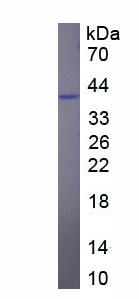 SDS-PAGE Image
Quality Guarantee

Certificate


Active Apolipoprotein E (APOE)
Apo-E; AD2; Apoprotein; Alzheimer Disease 2(E4-Associated,Late Onset
- Product No.APA704Bo01
- Organism SpeciesBos taurus; Bovine (Cattle) Same name, Different species.
- Buffer FormulationPBS, pH7.4, containing 0.01% SKL, 5% Trehalose.
- Traits Freeze-dried powder
- Purity> 90%
- Isoelectric Point5.4
- ApplicationsCell culture; Activity Assays.
- Downloadn/a
- UOM 10µg50µg 200µg 1mg 5mg
- FOB
US$ 260
US$ 650
US$ 1300
US$ 3900
US$ 9750
For more details, please contact local distributors!
ACTIVITY TEST
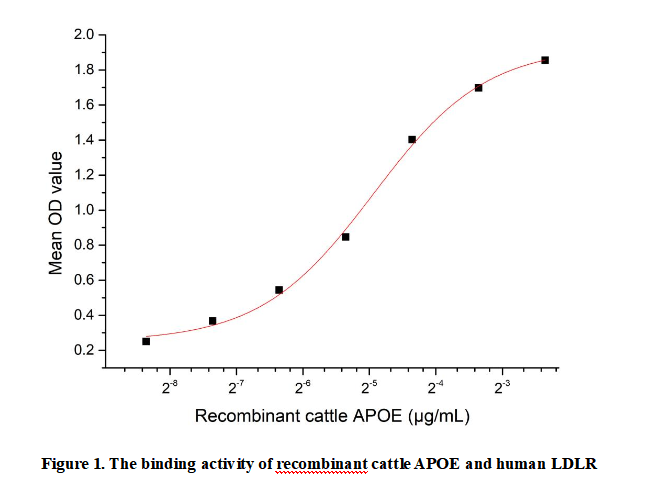
Apolipoprotein E (APOE, A704Bo) is a key lipid-binding protein mainly synthesized in the liver, brain, and macrophages. Encoded by the APOE gene on human chromosome 19, it exists in three major isoforms: APOE2, APOE3, and APOE4. As a critical component of chylomicrons, VLDL, and HDL particles, APOE primarily mediates the transport and redistribution of cholesterol, triglycerides, and other lipids in the circulatory and central nervous systems. It acts as a ligand for cell-surface lipoprotein receptors, facilitating the uptake and clearance of lipoprotein particles from plasma. Beyond lipid metabolism, APOE participates in neuronal repair, immune modulation, and amyloid-beta clearance in the brain, making it closely linked to cardiovascular diseases and neurodegenerative disorders such as Alzheimer’s disease. APOE specifically binds to LDLR (B008Hu) on cell membranes, enabling receptor-mediated endocytosis of lipoprotein complexes. Briefly, LDLR was diluted serially in PBS with 0.01% BSA (pH 7.4). Duplicate samples of 100 μL were then transferred to APOE-coated microtiter wells and incubated for 1h at 37℃. Wells were washed with PBST and incubated for 1h with anti-LDLR pAb, then aspirated and washed 3 times. After incubation with HRP labelled secondary antibody for 1h at 37℃, wells were aspirated and washed 5 times. With the addition of substrate solution, wells were incubated 15-25 minutes at 37℃. Finally, add 50 µL stop solution to the wells and read at 450/630nm immediately. Measured by its binding ability in a functional ELISA. When recombinant cattle APOE is lmmobilized at 2 µg/mL(100 µLwell), the concentration of LDLR that produces 50% optimal bindingresponse is found to be approximately 0.033 µg/mL.
USAGE
Reconstitute in ddH2O to a concentration of 0.1-0.2 mg/mL. Do not vortex.
STORAGE
Avoid repeated freeze/thaw cycles. Store at 2-8°C for one month. Aliquot and store at -80°C for 12 months.
STABILITY
The thermal stability is described by the loss rate. The loss rate was determined by accelerated thermal degradation test, that is, incubate the protein at 37°C for 48h, and no obvious degradation and precipitation were observed. The loss rate is less than 5% within the expiration date under appropriate storage condition.
GIVEAWAYS
INCREMENT SERVICES
-
 BCA Protein Quantification Kit
-
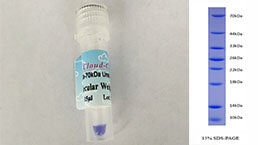 Molecular Mass Marker for Protein
-
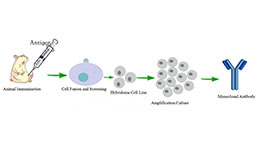 Monoclonal Antibody Customized Service
-
 Polyclonal Antibody Customized Service
-
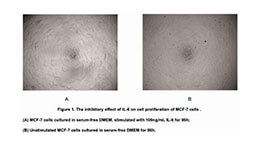 Protein Activity Test Experiment Service
-
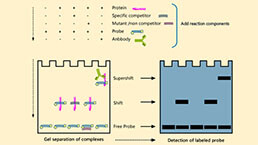 Electrophoretic Mobility Shift Assay (EMSA) Experiment Service
-
 Buffer
-
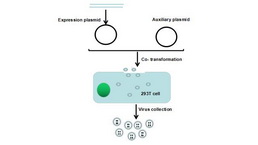 Lentivirus Packaging Experiment Service
-
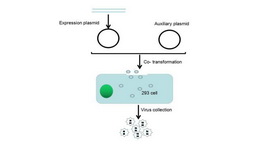 Adenovirus Packaging Experiment Service
-
 Real Time PCR Experimental Service
-
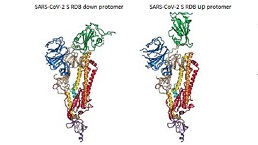 Spike RBD Protein (S-RBD)
-
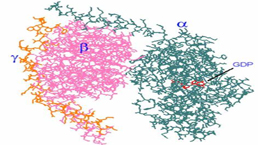 Protein G
-
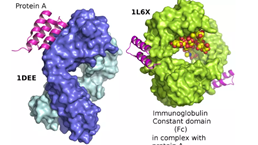 Protein A
| Magazine | Citations |
| Seizure - European Journal of Epilepsy | Cerebrospinal fluid apolipoprotein E concentration decreases after seizure Seizure: PIIS1059131109002441 |
| Biochimica et Biophysica Acta | Hepatic lipase- and endothelial lipase-deficiency in mice promotes macrophage-to-feces RCT and HDL antioxidant properties PubMed: 23328279 |
| Medical Oncology | Expression and clinical significance of apolipoprotein E in pancreatic ductal adenocarcinoma Pubmed: 23609192 |
| Diabetes. | Adipocyte Atp-Binding Cassette G1 Promotes Triglyceride Storage, Fat Mass Growth And Human Obesity Pubmed:25249572 |
| renal failure | Frequencies of apolipoprotein E alleles in depressed patients undergoing hemodialysis – a case-control study PubMed: 25707516 |
| Biochim Biophys Acta | Culturing of HepG2 cells with human serum improve their functionality and suitability in studies of lipid metabolism PubMed: 26515253 |
| Diabetes | Adipocyte ATP-binding cassette G1 promotes triglyceride storage, fat mass growth, and human obesity PubMed: 25249572 |
| Scientific Reports | Adaptive immunity against gut microbiota enhances apoE-mediated immune regulation andreduces atherosclerosis and western-diet-related inflammation. pubmed:27383250 |
| Biochemical Pharmacology | Differential effects of apoE and apoJ mimetic peptides on the action of an anti-Aβ scFv in 3xTg-AD mice Pubmed:30026023 |
| Oncotarget | Deletion of plasma Phospholipid Transfer Protein (PLTP) increases microglial phagocytosis and reduces cerebral amyloid-β deposition in the J20 mouse … Pubmed:29731975 |
| Proteomics Clinical Applications | Comparative proteomics analysis of serum proteins in gestational diabetes during early and middle stages of pregnancy Pubmed: 31162828 |
| Nature Communications | Hepatic HuR modulates lipid homeostasis in response to high-fat diet Pubmed: 32546794 |
| VETERINARY PATHOLOGY | Pathology and Proteomics-Based Diagnosis of Localized Light-Chain Amyloidosis in Dogs and Cats Pubmed: 32880234 |
| Journal of Clinical Medicine | The Significance of Apolipoprotein E Measurement in the Screening of Fetal Down Syndrome 33321701 |
| Cancer Cell Int | Discovery and validation of FBLN1 and ANT3 as potential biomarkers for early detection of cervical cancer 33602229 |
| Nat Commun | GP73 is a TBC-domain Rab GTPase-activating protein contributing to the pathogenesis of non-alcoholic fatty liver disease without obesity 34853313 |
| Talanta | Iridium nanoclusters as high sensitive-tunable elemental labels for immunoassays: Determination of IgE and APOE in aqueous humor by inductively coupled … Pubmed:35378356 |
| Analytica Chimica Acta | Gold nanoclusters as elemental label for the sequential quantification of apolipoprotein E and metallothionein 2A in individual human cells of the retinal … Pubmed:35361429 |
| Catalog No. | Related products for research use of Bos taurus; Bovine (Cattle) Organism species | Applications (RESEARCH USE ONLY!) |
| APA704Bo01 | Active Apolipoprotein E (APOE) | Cell culture; Activity Assays. |
| RPA704Bo01 | Recombinant Apolipoprotein E (APOE) | Positive Control; Immunogen; SDS-PAGE; WB. |