
Packages (Simulation)
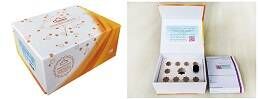
Image (II)
-
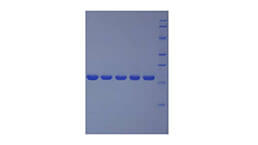
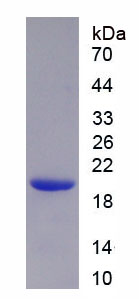 Figure. SDS-PAGE
Quality Guarantee

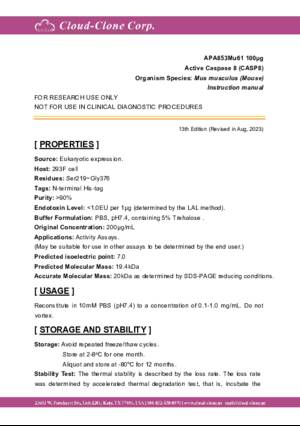
Instruction Manual
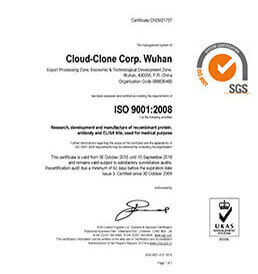
Certificate
Active Caspase 8 (CASP8)
CAP4; FLICE; MACH; MCH5; Cysteinyl Aspartate Specific Proteinases 8; Apoptotic cysteine protease; FADD-homologous ICE/ced-3-like protease; MORT1-associated ced-3 homolog
- Product No.APA853Mu61
- Organism SpeciesMus musculus (Mouse) Same name, Different species.
- Buffer FormulationPBS, pH7.4, containing 5% Trehalose.
- Traits Freeze-dried powder
- Purity> 90%
- Isoelectric Point7.0
- ApplicationsCell culture; Activity Assays.
- DownloadInstruction Manual
- UOM 10µg50µg 200µg 1mg 5mg
- FOB
US$ 340
US$ 850
US$ 1700
US$ 5100
US$ 12750
For more details, please contact local distributors!
ACTIVITY TEST
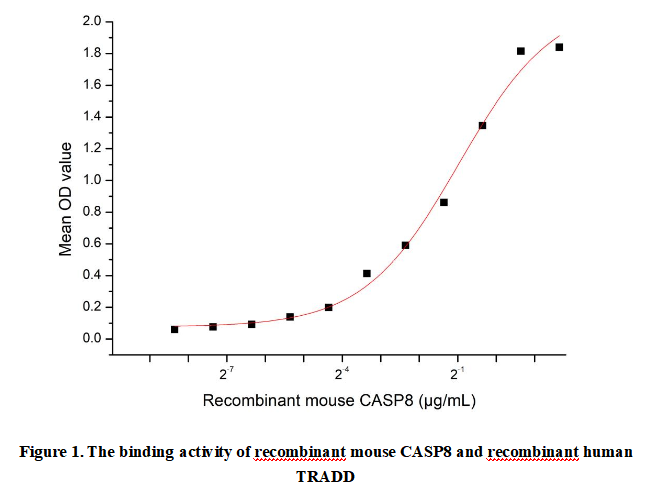
Caspase 8 (CASP8) is a key initiator protease in the extrinsic apoptosis pathway. Upon activation by death receptors—such as Fas or TNFR1—it is recruited to death-inducing signaling complexes (DISCs). Via its N-terminal death effector domains (DEDs), CASP8 forms oligomers and undergoes autocleavage to achieve full enzymatic activity; it then cleaves downstream effector caspases to execute the apoptotic program. Beyond apoptosis, CASP8 also plays a role in regulating necroptosis, inflammatory responses, and cell differentiation processes. Mechanistically, CASP8 interacts with TNFRSF1A Associated Via Death Domain Protein (TRADD) through homotypic death domain (DD)-mediated binding, a process that facilitates the transduction of apoptotic signals.To detect the activity of recombinant CASP8, a functional ELISA assay was performed to evaluate the interaction between recombinant mouse CASP8 and recombinant human TRADD.Briefly, biotin-linked CASP8 were diluted serially in PBS, with 0.01% BSA (pH 7.4). Duplicate samples of 100µl were then transferred to TRADD-coated microtiter wells and incubated for 1h at 37℃. Wells were washed with PBST 3 times and incubation with Streptavidin-HRP for 30min, then wells were aspirated and washed 5 times. With the addition of substrate solution, wells were incubated 15-25 minutes at 37℃. Finally, add 50µl stop solution to the wells and read at 450nm immediately. The binding activity of CASP8 and TRADD was shown in Figure 1, the EC50 for this effect is 0.51 µg/mL.
USAGE
Reconstitute in 10mM PBS (pH7.4) to a concentration of 0.1-1.0 mg/mL. Do not vortex.
STORAGE
Avoid repeated freeze/thaw cycles. Store at 2-8°C for one month. Aliquot and store at -80°C for 12 months.
STABILITY
The thermal stability is described by the loss rate. The loss rate was determined by accelerated thermal degradation test, that is, incubate the protein at 37°C for 48h, and no obvious degradation and precipitation were observed. The loss rate is less than 5% within the expiration date under appropriate storage condition.
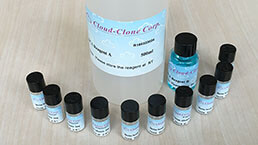
GIVEAWAYS
INCREMENT SERVICES
-
 BCA Protein Quantification Kit
-
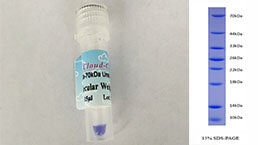 Molecular Mass Marker for Protein
-
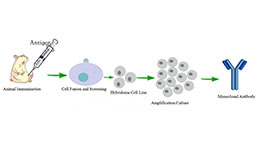 Monoclonal Antibody Customized Service
-
 Polyclonal Antibody Customized Service
-
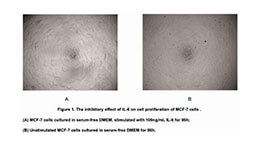 Protein Activity Test Experiment Service
-
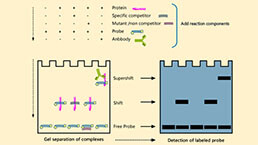 Electrophoretic Mobility Shift Assay (EMSA) Experiment Service
-
 Buffer
-
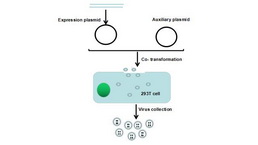 Lentivirus Packaging Experiment Service
-
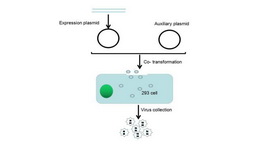 Adenovirus Packaging Experiment Service
-
 Real Time PCR Experimental Service
-
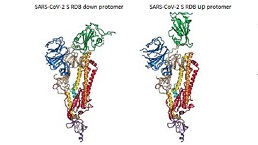 Spike RBD Protein (S-RBD)
-
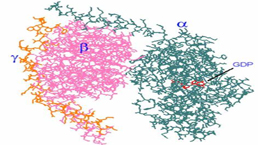 Protein G
-
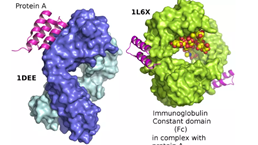 Protein A
| Magazine | Citations |
| Molecular Neurobiology | Ursodeoxycholic Acid Ameliorates Apoptotic Cascade in the Rotenone Model of Parkinson’s Disease: Modulation of Mitochondrial Perturbations Pubmed:25502462 |
| Journal of Ethnopharmacology | Viscum articulatum Burm. f. aqueous extract exerts antiproliferative effect and induces cell cycle arrest and apoptosis in leukemia cells Pubmed:29555410 |
| Clinical And Experimental Pharmacology And Physiology | Diallyl sulfide alleviates cisplatin‐induced nephrotoxicity in rats via suppressing NF‐κB downstream inflammatory proteins and p53/Puma signalling pathway Pubmed:29266336 |
| Environmental Toxicology | Antihepatocarcinogenic activity of whey protein concentrate and lactoferrin in diethylnitrosamine‐treated male albino mice Pubmed: 31087429 |
| Environ Toxicol Pharmacol. | Targetingp53/TRAIL/caspase-8 signaling by adiponectin reverses thioacetamide-induced hepatocellular carcinoma in rats Pubmed: 31421311 |
| Journal of Biochemical and Molecular Toxicology | Tranilast attenuates methotrexate‐induced renal and hepatic toxicities: Role of apoptosis‐induced tissue proliferation Pubmed: 32045101 |
| life sciences | Nifuroxazide attenuates experimentally-induced hepatic encephalopathy and the associated hyperammonemia and cJNk/caspase-8/TRAIL activation in rats Pubmed: 32259601 |
| Odontology | Effects of different pulp-capping materials on cell death signaling pathways of lipoteichoic acid-stimulated human dental pulp stem cells Pubmed: 33206337 |
| Int Immunopharmacol | Cardio-protective impact of gabapentin against doxorubicin-induced myocardial toxicity in rats; emphasis on modulation of inflammatory-apoptotic signaling Pubmed: 33199237 |
| ENVIRONMENTAL TOXICOLOGY AND PHARMACOLOGY | Chemo-preventive effect of crocin against experimentally-induced hepatocarcinogenesis via regulation of apoptotic and Nrf2 signaling pathways Pubmed: 32942000 |
| Environ Sci Pollut Res Int | Potentiation of the apoptotic signaling pathway in both the striatum and hippocampus and neurobehavioral impairment in rats exposed chronically to a low− dose of … Pubmed: 32915453 |
| J Biochem Mol Toxicol | Tranilast abrogates cisplatin©\induced testicular and epididymal injuries: An insight into its modulatory impact on apoptosis/proliferation 34047436 |
| Catalog No. | Related products for research use of Mus musculus (Mouse) Organism species | Applications (RESEARCH USE ONLY!) |
| EPA853Mu61 | Eukaryotic Caspase 8 (CASP8) | Positive Control; Immunogen; SDS-PAGE; WB. |
| APA853Mu61 | Active Caspase 8 (CASP8) | Cell culture; Activity Assays. |
| RPA853Mu01 | Recombinant Caspase 8 (CASP8) | Positive Control; Immunogen; SDS-PAGE; WB. |
| RPA853Mu02 | Recombinant Caspase 8 (CASP8) | Positive Control; Immunogen; SDS-PAGE; WB. |
| EPA853Mu62 | Eukaryotic Caspase 8 (CASP8) | Positive Control; Immunogen; SDS-PAGE; WB. |
| PAA853Mu01 | Polyclonal Antibody to Caspase 8 (CASP8) | WB,IHC,ICC/IF |
| PAA853Mu02 | Polyclonal Antibody to Caspase 8 (CASP8) | WB |
| LAA853Mu81 | FITC-Linked Polyclonal Antibody to Caspase 8 (CASP8) | WB; IHC; ICC; IF. |
| LAA853Mu71 | Biotin-Linked Polyclonal Antibody to Caspase 8 (CASP8) | WB |
| SEA853Mu | ELISA Kit for Caspase 8 (CASP8) | Enzyme-linked immunosorbent assay for Antigen Detection. |
| CMA853Mu | Multiplex Assay Kit for Caspase 8 (CASP8) ,etc. by CBA (Cytometric Bead Array) | FLIA Kit for Antigen Detection. |
| LMA853Mu | Multiplex Assay Kit for Caspase 8 (CASP8) ,etc. by FLIA (Flow Luminescence Immunoassay) | FLIA Kit for Antigen Detection. |
| KSA853Mu01 | ELISA Kit DIY Materials for Caspase 8 (CASP8) | Main materials for "Do It(ELISA Kit) Yourself" |