
Packages (Simulation)
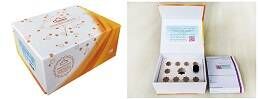
Image (II)
-
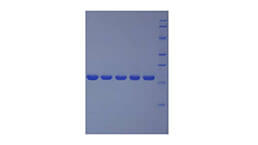
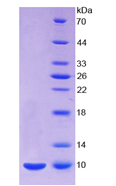 SDS-PAGE Image
Quality Guarantee

Certificate

Active Epithelial Neutrophil Activating Peptide 78 (ENA78)
CXCL5; SCYB5; Chemokine C-X-C-Motif Ligand 5; Small Inducible Cytokine Subfamily B(Cys-X-Cys),Member 5; Neutrophil-activating peptide ENA-78
- Product No.APA860Mu62
- Organism SpeciesMus musculus (Mouse) Same name, Different species.
- Buffer FormulationPBS, pH7.4, containing 0.01% SKL, 5% Trehalose.
- Traits Freeze-dried powder
- Purity> 90%
- Isoelectric Point9.5
- ApplicationsCell culture; Activity Assays.
- Downloadn/a
- UOM 10µg50µg 200µg 1mg 5mg
- FOB
US$ 228
US$ 569
US$ 1138
US$ 3414
US$ 8535
For more details, please contact local distributors!
ACTIVITY TEST
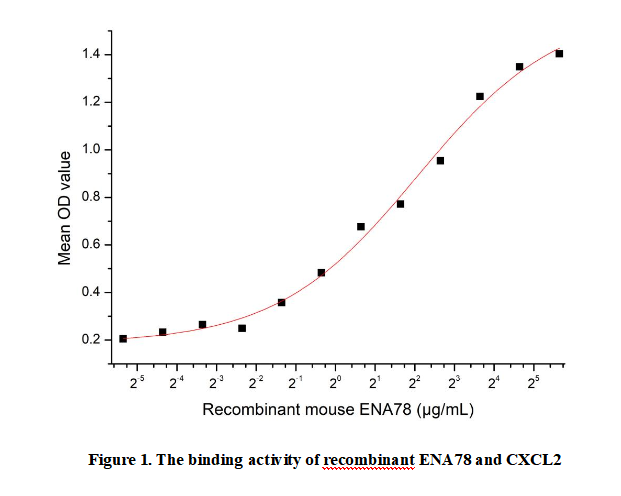
Epithelial Neutrophil Activating Peptide 78 (ENA78), encoded by the CXCL5 gene, is a key CXC chemokine primarily secreted by epithelial cells, macrophages, and neutrophils. Initially identified for its potent neutrophil-activating and chemotactic activities, it plays critical roles in innate immunity, inflammation, and tissue repair by recruiting and activating neutrophils at sites of infection or injury. ENA78 expression is upregulated in inflammatory conditions like sepsis, asthma, and rheumatoid arthritis, as well as in various cancers where it promotes tumor angiogenesis and metastasis. Its biological functions are mediated through binding to the CXCR2 receptor on target cells, triggering downstream signaling cascades. ENA78 and CXCL2 (GROβ) are homologous CXC chemokines that share the CXCR2 receptor, enabling functional redundancy in neutrophil recruitment.Besides,CXCL2 has been identified as an interactor of ENA78, thus a functional binding ELISA assay was conducted to detect the interaction of recombinant moiuse ENA78 and recombinant human CXCL2. Briefly, ENA78 was diluted serially in PBS with 0.01% BSA (pH 7.4). Duplicate samples of 100 μl were then transferred to CXCL2-coated microtiter wells and incubated for 1h at 37℃. Wells were washed with PBST and incubated for 1h with anti-ENA78 pAb, then aspirated and washed 3 times. After incubation with HRP labelled secondary antibody for 1h at 37℃, wells were aspirated and washed 5 times. With the addition of substrate solution, wells were incubated 15-25 minutes at 37℃. Finally, add 50 µL stop solution to the wells and read at 450/630nm immediately. The binding activity of recombinant mouse ENA78 and recombinant human CXCL2 was shown in Figure 1, the EC50 for this effect is 1.06326µg/mL.
USAGE
Reconstitute in 10mM PBS (pH7.4) to a concentration of 0.1-1.0 mg/mL. Do not vortex.
STORAGE
Avoid repeated freeze/thaw cycles. Store at 2-8°C for one month. Aliquot and store at -80°C for 12 months.
STABILITY
The thermal stability is described by the loss rate. The loss rate was determined by accelerated thermal degradation test, that is, incubate the protein at 37°C for 48h, and no obvious degradation and precipitation were observed. The loss rate is less than 5% within the expiration date under appropriate storage condition.
GIVEAWAYS
INCREMENT SERVICES
-
 BCA Protein Quantification Kit
-
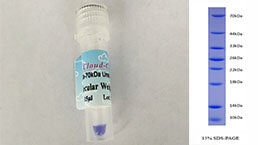 Molecular Mass Marker for Protein
-
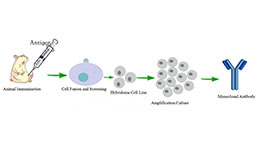 Monoclonal Antibody Customized Service
-
 Polyclonal Antibody Customized Service
-
 Protein Activity Test Experiment Service
-
 Electrophoretic Mobility Shift Assay (EMSA) Experiment Service
-
 Buffer
-
 Lentivirus Packaging Experiment Service
-
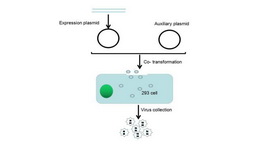 Adenovirus Packaging Experiment Service
-
 Real Time PCR Experimental Service
-
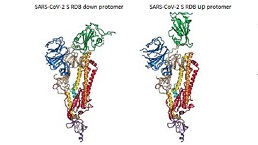 Spike RBD Protein (S-RBD)
-
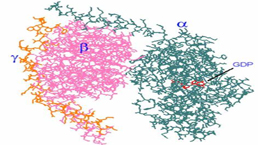 Protein G
-
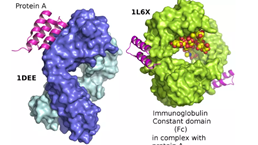 Protein A
| Magazine | Citations |
| Journal of Biochemical and Molecular Toxicology | Ameliorative Effects of Curcumin on Fibrinogen-Like Protein-2 Gene Expression, Some Oxido-Inflammatory and Apoptotic Markers in a Rat Model of l-Arginine-Induced Acute Pancreatitis. Pubmed:26862043 |
| Journal of Biochemical and Molecular Toxicology | Ameliorative Effects of Curcumin on Fibrinogen-Like Protein-2 Gene Expression, Some Oxido-Inflammatory and Apoptotic Markers in a Rat Model of l-Arginine-Induced Acute Pancreatitis pubmed:26862043 |
| OncoTargets and Therapy | The clinical significance of CXCL5 in non-small cell lung cancer. pubmed:29200871 |
| Biochimie | Activated CXCL5-CXCR2 axis promotes the migration, invasion and EMT of papillary thyroid carcinoma cells via modulation of β-catenin pathway Pubmed:29471001 |
| Cancer Biology & Therapy | Activation of CXCL5-CXCR2 axis promotes proliferation and accelerates G1 to S phase transition of papillary thyroid carcinoma cells and activates JNK and p38 … Pubmed: 30404567 |
| Respiratory Research | Phospholipase Cε plays a crucial role in neutrophilic inflammation accompanying acute lung injury through augmentation of CXC chemokine production from … Pubmed: 30634975 |
| American Journal of Pathology | Interleukin17–CXCR2 axis facilitates breast cancer progression by up-regulating neutrophil recruitment Pubmed: 31654638 |
| Bioactive Materials | Secretions from hypochlorous acid-treated tumor cells delivered in a melittin hydrogel potentiate cancer immunotherapy 34820587 |
| Am J Cancer Res | Differential expression profile of CXC-receptor-2 ligands as potential biomarkers in pancreatic ductal adenocarcinoma Pubmed:35141005 |