
Packages (Simulation)
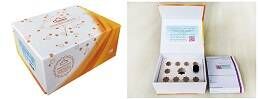
Image (II)
-
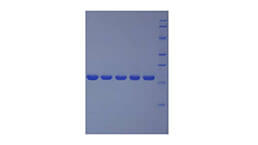
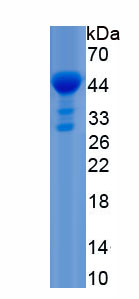 Figure. SDS-PAGE
Quality Guarantee

Instruction Manual
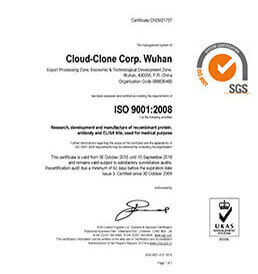
Certificate
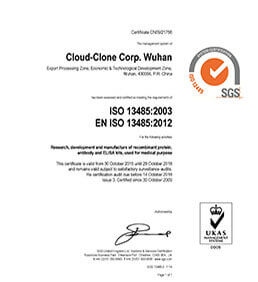
Active Monokine Induced By Interferon Gamma (MIg)
CXCL9; CMK; Humig; MI-G; SCYB9; Crg-10; Chemokine (C-X-C motif) ligand 9; Small-inducible cytokine B9; Gamma-interferon-induced monokine
- Product No.APB928Hu01
- Organism SpeciesHomo sapiens (Human) Same name, Different species.
- Buffer FormulationPBS, pH7.4, containing 0.01% SKL, 5% Trehalose.
- Traits Freeze-dried powder
- Purity> 90%
- Isoelectric Point9.3
- ApplicationsCell culture; Activity Assays.
- DownloadInstruction Manual
- UOM 10µg50µg 200µg 1mg 5mg
- FOB
US$ 252
US$ 630
US$ 1260
US$ 3780
US$ 9450
For more details, please contact local distributors!
ACTIVITY TEST
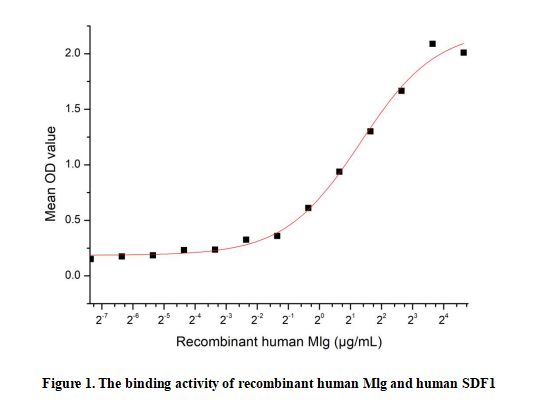
Monokine Induced By Interferon Gamma (MIg) is a pro-inflammatory cytokine primarily secreted by immune cells like macrophages and T cells upon IFN-γ stimulation. It plays pivotal roles in regulating immune responses, promoting leukocyte recruitment, and mediating anti-tumor and anti-pathogen defenses. Dysregulation of MIg is linked to autoimmune diseases and chronic inflammation. MIg binds to CXCL12 (SDF1, A122Hu) with moderate affinity, forming a complex that modulates chemotaxis and immune cell trafficking.Thus a functional ELISA assay was conducted to detect the interaction of recombinant human Mlg and recombinant human SDF1. Briefly, Mlg was diluted serially in PBS with 0.01% BSA (pH 7.4). Duplicate samples of 100 μl were then transferred to SDF1-coated microtiter wells and incubated for 1h at 37℃. Wells were washed with PBST and incubated for 1h with anti-Mlg pAb, then aspirated and washed 3 times. After incubation with HRP labelled secondary antibody for 1h at 37℃, wells were aspirated and washed 5 times. With the addition of substrate solution, wells were incubated 15-25 minutes at 37℃. Finally, add 50 µL stop solution to the wells and read at 450/630nm immediately. The binding activity of recombinant human Mlg and recombinant human SDF1 was shown in Figure 1, the EC50 for this effect is 2.50 µg/mL.
USAGE
Reconstitute in 10mM PBS (pH7.4) to a concentration of 0.2-1.0 mg/mL. Do not vortex.
STORAGE
Avoid repeated freeze/thaw cycles. Store at 2-8°C for one month. Aliquot and store at -80°C for 12 months.
STABILITY
The thermal stability is described by the loss rate. The loss rate was determined by accelerated thermal degradation test, that is, incubate the protein at 37°C for 48h, and no obvious degradation and precipitation were observed. The loss rate is less than 5% within the expiration date under appropriate storage condition.
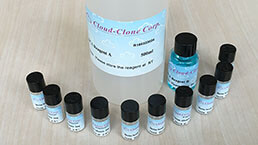
GIVEAWAYS
INCREMENT SERVICES
-
 BCA Protein Quantification Kit
-
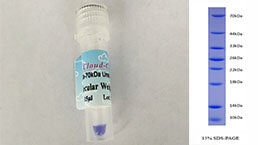 Molecular Mass Marker for Protein
-
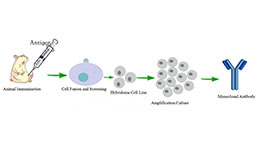 Monoclonal Antibody Customized Service
-
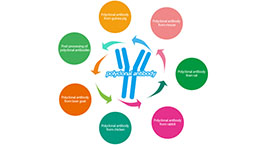 Polyclonal Antibody Customized Service
-
 Protein Activity Test Experiment Service
-
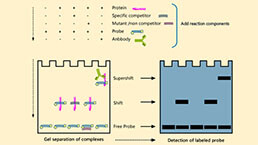 Electrophoretic Mobility Shift Assay (EMSA) Experiment Service
-
 Buffer
-
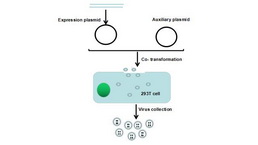 Lentivirus Packaging Experiment Service
-
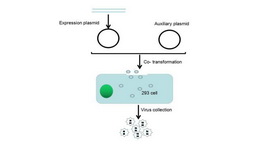 Adenovirus Packaging Experiment Service
-
 Real Time PCR Experimental Service
-
 Spike RBD Protein (S-RBD)
-
 Protein G
-
 Protein A
| Magazine | Citations |
| PLoS One. | The Transcription Factor C/EBP delta Has Anti-Apoptotic and Anti-Inflammatory Roles in Pancreatic Beta Cells PubMed: PMC3275575 |
| International Journal of Chronic Obstructive Pulmonary Disease | High Blood Eosinophil and YKL-40 Levels, as Well as Low CXCL9 Levels, are Associated with Increased Readmission in Patients with Acute Exacerbation of Chronic Obstructive Pulmonary Disease 33814903 |