
Packages (Simulation)
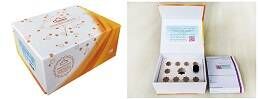
Image (II)
-
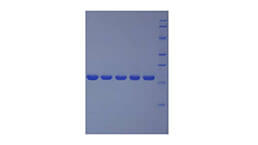
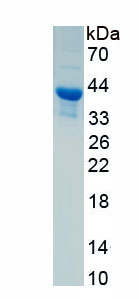 Figure. SDS-PAGE
Quality Guarantee

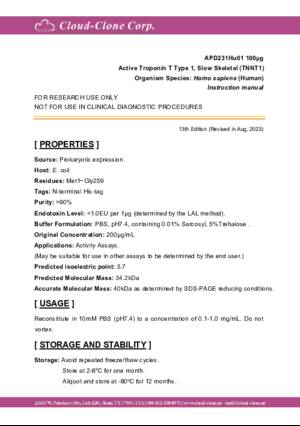
Instruction Manual
Certificate

Active Troponin T Type 1, Slow Skeletal (TNNT1)
ANM; STNT; TNT; TNTS; Slow Skeletal Muscle Troponin T
- Product No.APD231Hu01
- Organism SpeciesHomo sapiens (Human) Same name, Different species.
- Buffer FormulationPBS, pH7.4, containing 0.01% SKL, 5% Trehalose.
- Traits Freeze-dried powder
- Purity> 90%
- Isoelectric Point5.7
- ApplicationsCell culture; Activity Assays.
- DownloadInstruction Manual
- UOM 10µg50µg 200µg 1mg 5mg
- FOB
US$ 240
US$ 600
US$ 1200
US$ 3600
US$ 9000
For more details, please contact local distributors!
ACTIVITY TEST
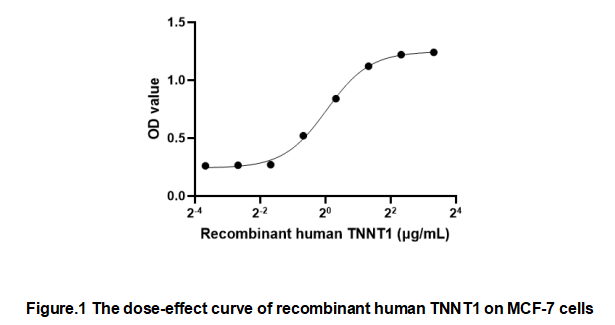
Troponin T Type 1, Slow Skeletal (TNNT1) is a regulatory complex located on the thin filament of the sarcomere. TNNT1 plays a crucial role in the regulation of muscle contraction, specifically in slow-twitch skeletal muscle fibers. As a key component of the troponin complex, which also includes troponin I and troponin C, TNNT1 interacts with actin, tropomyosin, and calcium ions to modulate the contraction-relaxation cycle of muscle tissue. Previous research has indicated that TNNT1 can promote cell proliferation.To test the effect of TNNT1 on cell proliferation, MCF-7 cells were seeded into triplicate wells of 96-well plates and allowed to attach, replaced with various concentrations of recombinant humanTNNT1. After incubated for 72h, cells were observed by inverted microscope and cell proliferation was measured by Cell Counting Kit-8 (CCK-8). Briefly, 10 µl of CCK-8 solution was added to each well of the plate, then the absorbance at 450 nm was measured using a microplate reader after incubating the plate for 1-4 hours at 37 ℃. Cell viability was assessed by CCK-8 assay after incubation with recombinant human TNNT1 for 72h. The result was shown in Figure 1. It was obvious that TNNT1 significantly increased cell viability of MCF-7 cells. The ED50 of recombinant humanTNNT1 is 1.034 μg/ml.
USAGE
Reconstitute in 10mM PBS (pH7.4) to a concentration of 0.1-1.0 mg/mL. Do not vortex.
STORAGE
Avoid repeated freeze/thaw cycles. Store at 2-8°C for one month. Aliquot and store at -80°C for 12 months.
STABILITY
The thermal stability is described by the loss rate. The loss rate was determined by accelerated thermal degradation test, that is, incubate the protein at 37°C for 48h, and no obvious degradation and precipitation were observed. The loss rate is less than 5% within the expiration date under appropriate storage condition.
GIVEAWAYS
INCREMENT SERVICES
-
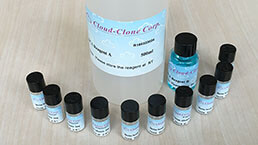 BCA Protein Quantification Kit
-
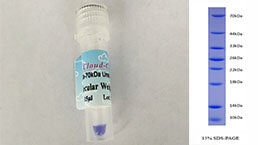 Molecular Mass Marker for Protein
-
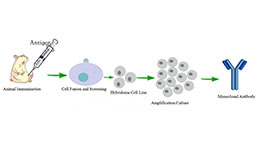 Monoclonal Antibody Customized Service
-
 Polyclonal Antibody Customized Service
-
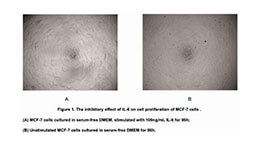 Protein Activity Test Experiment Service
-
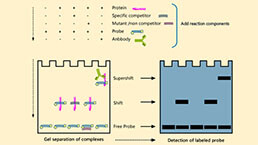 Electrophoretic Mobility Shift Assay (EMSA) Experiment Service
-
 Buffer
-
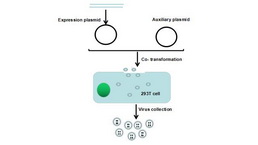 Lentivirus Packaging Experiment Service
-
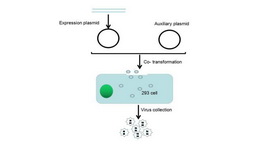 Adenovirus Packaging Experiment Service
-
 Real Time PCR Experimental Service
-
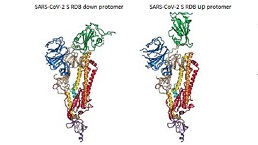 Spike RBD Protein (S-RBD)
-
 Protein G
-
 Protein A
| Magazine | Citations |
| Oncotarget | A multimodal assessment of balance in elderly and young adults. pubmed:26934319 |