
Packages (Simulation)
Image (II)
-
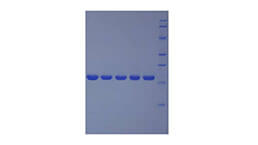
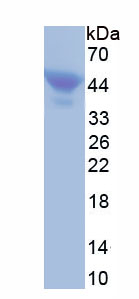 Figure. SDS-PAGE
Quality Guarantee

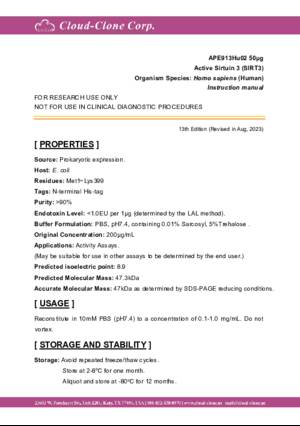
Instruction Manual
Certificate
Active Sirtuin 3 (SIRT3)
SIR2L3; Silent Mating Type Information Regulation 2 Homolog 3; NAD-dependent protein deacetylase sirtuin-3, mitochondrial; SIR2-like protein 3; Regulatory protein SIR2 homolog 3
- Product No.APE913Hu02
- Organism SpeciesHomo sapiens (Human) Same name, Different species.
- Buffer FormulationPBS, pH7.4, containing 0.01% SKL, 5% Trehalose.
- Traits Freeze-dried powder
- Purity> 90%
- Isoelectric Point8.9
- ApplicationsCell culture; Activity Assays.
- DownloadInstruction Manual
- UOM 10µg50µg 200µg 1mg 5mg
- FOB
US$
US$
US$
US$
US$
For more details, please contact local distributors!
ACTIVITY TEST
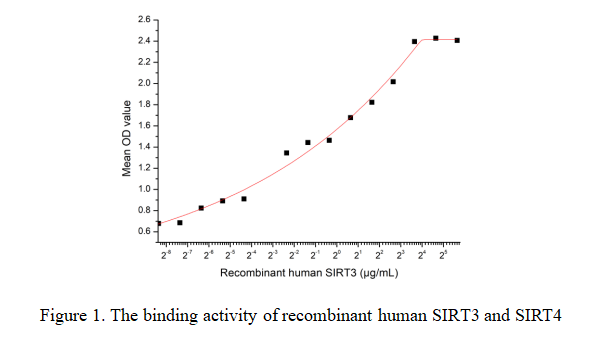
Sirtuin 3(SIRT3) is the principal NAD⁺-dependent deacetylase of the mitochondrial matrix, regulating oxidative phosphorylation, ROS detoxification and metabolic reprogramming through deacetylation of substrates including SOD2, IDH2 and respiratory chain complexes I–III. Its mitochondrial paralog, Sirtuin 4 (SIRT4), exerts opposing and reciprocally balanced effects on mitochondrial metabolism, and the two proteins may potentially interact, a possibility that remains to be experimentally defined.
To detect the activity of recombinant SIRT3 , a functional ELISA assay was performed to evaluate the interaction between recombinant human SIRT3 and recombinant human SIRT4. Briefly, SIRT3 was diluted serially in PBS with 0.01% BSA (pH 7.4). Duplicate samples of 100 μl were then transferred to SIRT4-coated microtiter wells and incubated for 1h at 37℃. Wells were washed with PBST and incubated for 1h with anti-SIRT3 pAb, then aspirated and washed 3 times. After incubation with HRP labelled secondary antibody for 1h at 37℃, wells were aspirated and washed 5 times. With the addition of substrate solution, wells were incubated 15-25 minutes at 37℃. Finally, add 50 µL stop solution to the wells and read at 450/630nm immediately. The binding activity of recombinant SIRT3 and recombinant SIRT4 was shown in Figure 1, the EC50 for this effect is 0.260 µg/mL.
USAGE
Reconstitute in 10mM PBS (pH7.4) to a concentration of 0.1-1.0 mg/mL. Do not vortex.
STORAGE
Avoid repeated freeze/thaw cycles. Store at 2-8°C for one month. Aliquot and store at -80°C for 12 months.
STABILITY
The thermal stability is described by the loss rate. The loss rate was determined by accelerated thermal degradation test, that is, incubate the protein at 37°C for 48h, and no obvious degradation and precipitation were observed. The loss rate is less than 5% within the expiration date under appropriate storage condition.
GIVEAWAYS
INCREMENT SERVICES
-
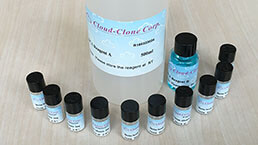 BCA Protein Quantification Kit
-
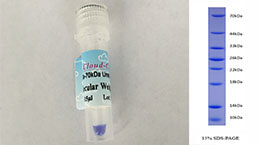 Molecular Mass Marker for Protein
-
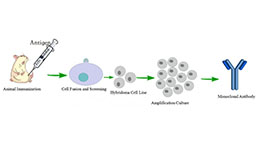 Monoclonal Antibody Customized Service
-
 Polyclonal Antibody Customized Service
-
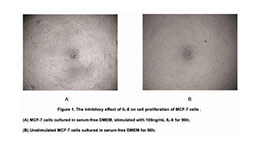 Protein Activity Test Experiment Service
-
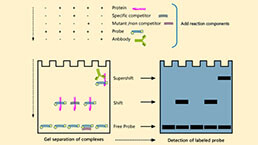 Electrophoretic Mobility Shift Assay (EMSA) Experiment Service
-
 Buffer
-
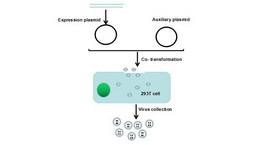 Lentivirus Packaging Experiment Service
-
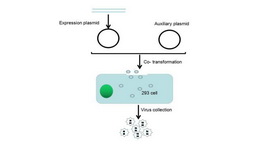 Adenovirus Packaging Experiment Service
-
 Real Time PCR Experimental Service
-
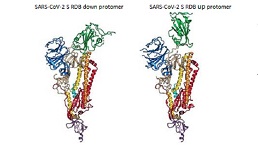 Spike RBD Protein (S-RBD)
-
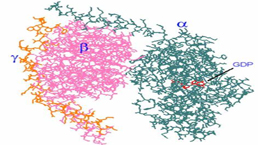 Protein G
-
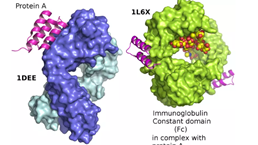 Protein A
| Magazine | Citations |
| Toxicology Letters | SirT3 regulates diabetogenic effects caused by arsenic: An implication for mitochondrial complex II modification Pubmed: 30385301 |
| International Breastfeeding Journal | Effects of perinatal factors on sirtuin 3, 8-hydroxy-2′-deoxyguanosine, brain-derived neurotrophic factor and serotonin in cord blood and early breast milk: an … Pubmed: 32552911 |
| Antioxidants | The Effect of Repeated Whole-Body Cryotherapy on Sirt1 and Sirt3 Concentrations and Oxidative Status in Older and Young Men Performing Different Levels of?¡ 33396247 |