
Packages (Simulation)
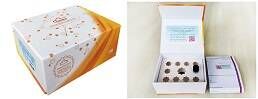
Image (II)
-
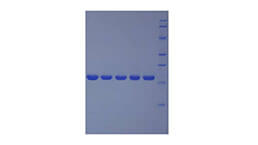
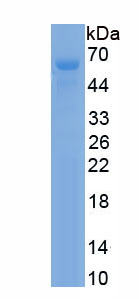 Figure. SDS-PAGE
Quality Guarantee

Instruction Manual
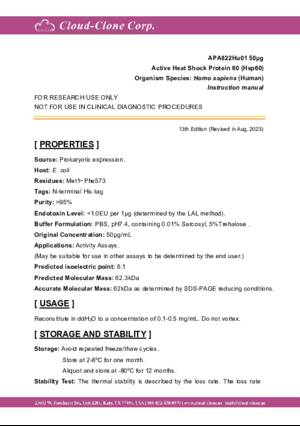
Certificate
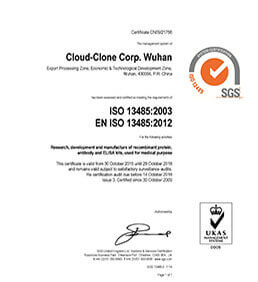
Active Heat Shock Protein 60 (Hsp60)
HSPD1; GROEL; CPN60; HuCHA60; Heat Shock 60kD Protein 1, Chaperonin; Spastic Paraplegia 13,Autosomal Dominant; 60 kDa chaperonin; Mitochondrial matrix protein P1; P60 lymphocyte protein
- Product No.APA822Hu01
- Organism SpeciesHomo sapiens (Human) Same name, Different species.
- Buffer FormulationPBS, pH7.4, containing 0.01% SKL, 5% Trehalose.
- Traits Freeze-dried powder
- Purity> 95%
- Isoelectric Point6.1
- ApplicationsCell culture; Activity Assays.
- DownloadInstruction Manual
- UOM 10µg50µg 200µg 1mg 5mg
- FOB
US$
US$
US$
US$
US$
For more details, please contact local distributors!
ACTIVITY TEST
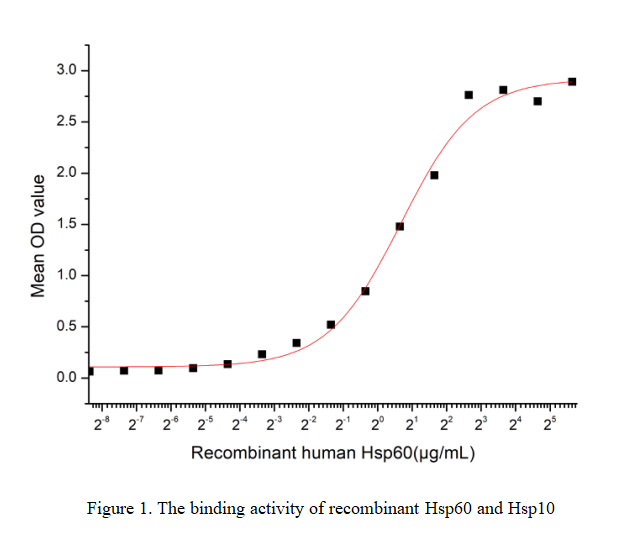
Heat Shock Protein 60 (Hsp60) is a highly conserved mitochondrial chaperonin critical for cellular proteostasis under both physiological and heat stress conditions. It assembles into a functional heptameric ring that physically binds Heat Shock 10kDa Protein 1 (Hsp10, encoded by HSPE1), a co-chaperone that caps the central folding chamber of Hsp60. This Hsp60-Hsp10 machinery mediates ATP-dependent nascent polypeptide folding, prevents misfolding and aggregation, and modulates stress response, apoptotic signaling and tumor metabolic reprogramming.
To detect the activity of recombinant Hsp60, a functional ELISA assay was performed to evaluate the interaction between recombinant Hsp60 and recombinant Hsp10. Biotin-linked Hsp60 were diluted serially in PBS, with 0.01% BSA (pH 7.4). Duplicate samples of 100µl were then transferred to Hsp10-coated microtiter wells and incubated for 1h at 37℃. Wells were washed with PBST 3 times and incubation with Streptavidin-HRP for 30min, then wells were aspirated and washed 5 times. With the addition of substrate solution, wells were incubated 15-25 minutes at 37℃. Finally, add 50µl stop solution to the wells and read at 450nm immediately. The binding activity of Hsp60 and AHsp10 was shown in Figure 1, the EC50 for this effect is 1.599 µg/mL.
USAGE
Reconstitute in 10mM PBS (pH7.4) to a concentration of 0.1-1.0 mg/mL. Do not vortex.
STORAGE
Avoid repeated freeze/thaw cycles. Store at 2-8°C for one month. Aliquot and store at -80°C for 12 months.
STABILITY
The thermal stability is described by the loss rate. The loss rate was determined by accelerated thermal degradation test, that is, incubate the protein at 37°C for 48h, and no obvious degradation and precipitation were observed. The loss rate is less than 5% within the expiration date under appropriate storage condition.
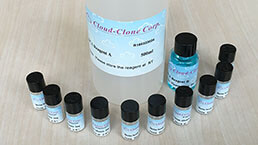
GIVEAWAYS
INCREMENT SERVICES
-
 BCA Protein Quantification Kit
-
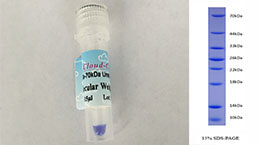 Molecular Mass Marker for Protein
-
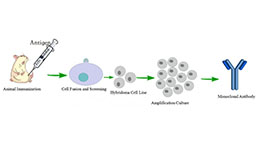 Monoclonal Antibody Customized Service
-
 Polyclonal Antibody Customized Service
-
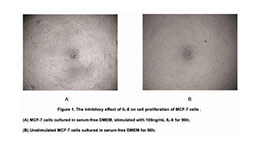 Protein Activity Test Experiment Service
-
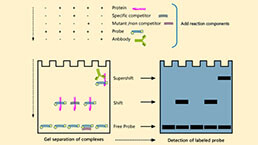 Electrophoretic Mobility Shift Assay (EMSA) Experiment Service
-
 Buffer
-
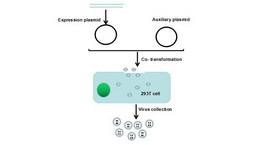 Lentivirus Packaging Experiment Service
-
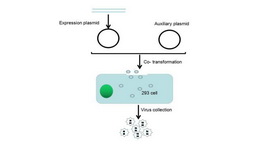 Adenovirus Packaging Experiment Service
-
 Real Time PCR Experimental Service
-
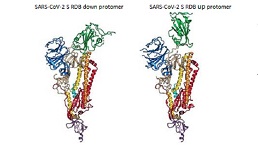 Spike RBD Protein (S-RBD)
-
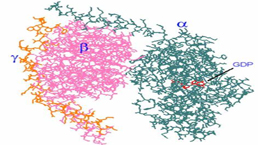 Protein G
-
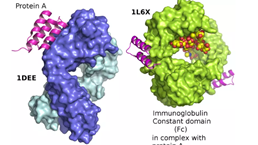 Protein A
| Magazine | Citations |
| Sci Rep | Hsp60 response in experimental and human temporal lobe epilepsy PubMed: 25801186 |
| Cellular and Molecular Gastroenterology and Hepatology | Senescent hepatocytes in decompensated liver show reduced UPR and its key player, CLPP, attenuates senescence in vitro Pubmed: 30878663 |
| Breast Cancer Res Treat | Activation of mitochondrial unfolded protein response is associated with Her2-overexpression breast cancer Pubmed: 32601970 |